Water treatment cycle poster

I recently finished this movie theater-sized water treatment cycle poster for my employer’s booth at the “Introduce a Girl to Engineering” K-12 career expo. The poster educates young readers about the path water takes to reach our homes, schools, and businesses, and sparks conversations about engineering careers. I’m currently working at Hazen and Sawyer, an engineering firm that addresses water supply and water quality challenges.

This project scratched an itch for me by combining my interests in writing and illustration. I worked closely with Hazen engineers and recruiting specialists to refine their text and build the 24×36″ design. I drew each illustration individually before arranging the final poster layout in one massive Adobe Illustrator file. We were on a tight deadline but completed the project in time to print and frame it before the career expo.

The Water Treatment Cycle poster shows six large icons in a chronological circle, surrounding a young engineer with her arms crossed proudly in a high-vis vest and white Hazen helmet. The steps/icons are: Point of Use, Sewer System, Wastewater Treatment Plant, Water Source, Drinking Water Treatment Plant, and Drinking Water Delivery and Conveyance.
Engineers in the water industry help design, construct, operate, and maintain safe drinking water to protect the public and our environment.
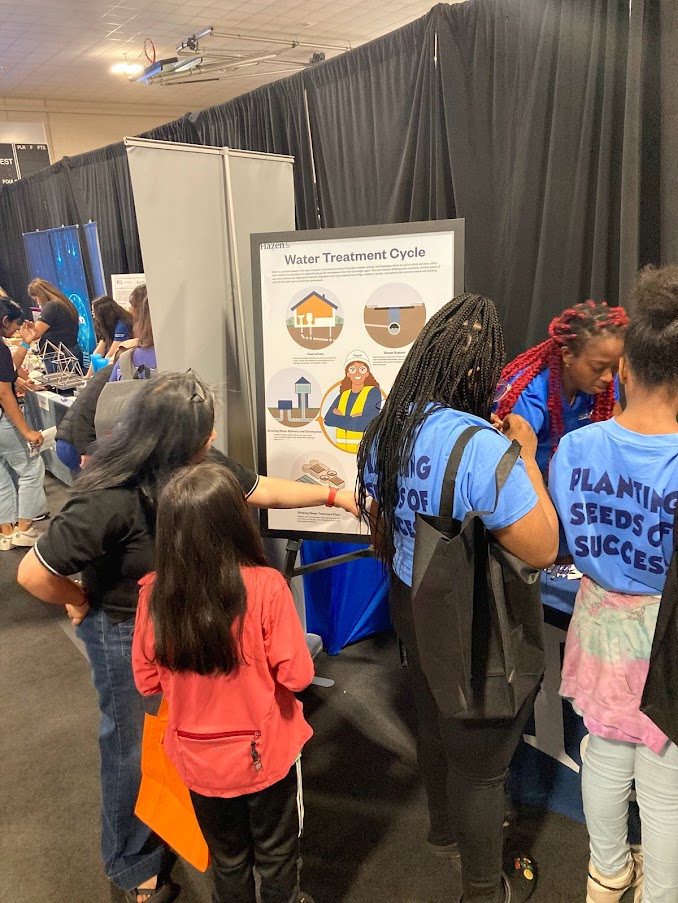
A photo of my Water Treatment Cycle poster in use at the conference. A Hazen engineer is pointing at the poster and describing it to an interested student protege, an elementary-aged girl in a pink backpack.
Planting seeds of success. Hazen engineers used the poster to introduce and describe the importance of the water treatment cycle to future colleagues from K-12 schools.
The "Introduce a Girl to Engineering" logo on a banner with multiple flowing outlines of women moving across the banner.
If you have the expertise and time to volunteer, get involved with “Introduce a Girl to Engineering!”

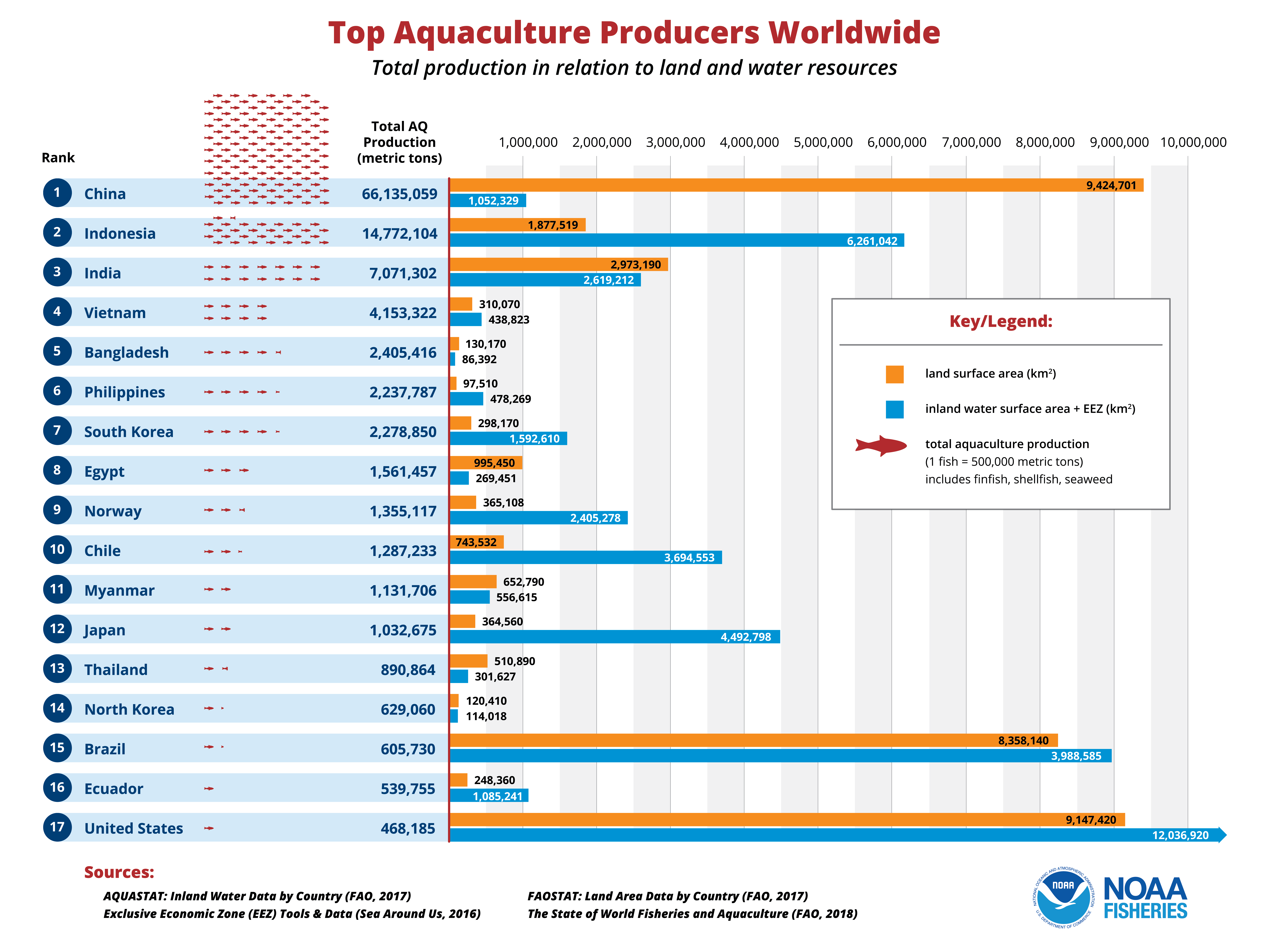
Top Aquaculture producers worldwide

Although the United States has the land and water resources to significantly increase its aquaculture industry, our current production puts us at number 17 on this list of top global producers. I collaborated with the NOAA Fisheries Office of Aquaculture’s science team to gather data in order to make this design.

“Top Aquaculture Producers Worldwide” infographic.

Fostering Diversity and Inclusion in Aquaculture

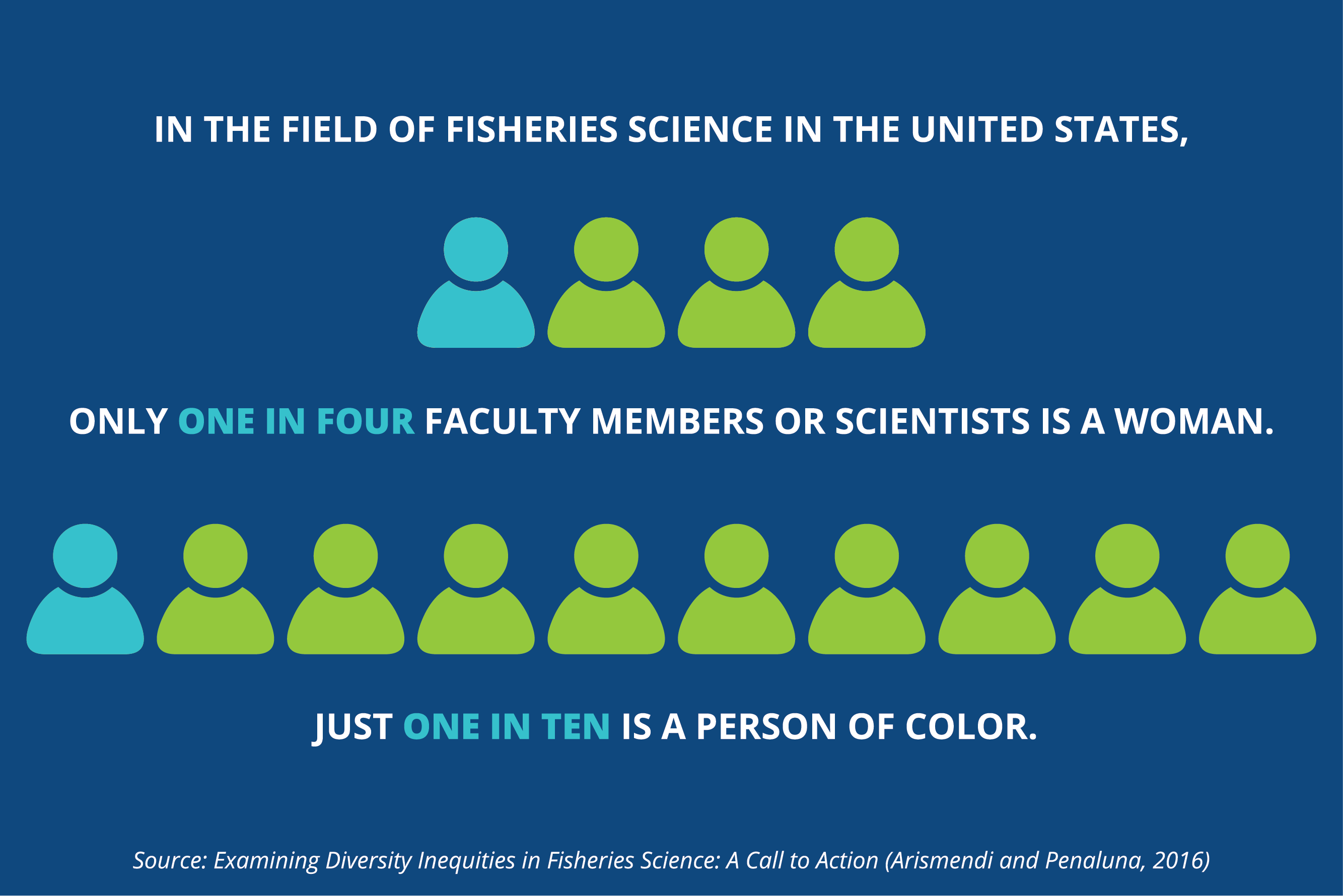
I created these infographics to accompany a NOAA Fisheries Office of Aquaculture featured news story, “Fostering Diversity and Inclusion in Aquaculture.”

“In 2016, women earned about half of all science and engineering bachelor’s degrees; underrepresented minority students earned 22%.”
“In the field of fisheries science in the United States, only one in four faculty members or scientists is a woman. Just one in ten is a person of color.”

Aquaculture Opportunity areas

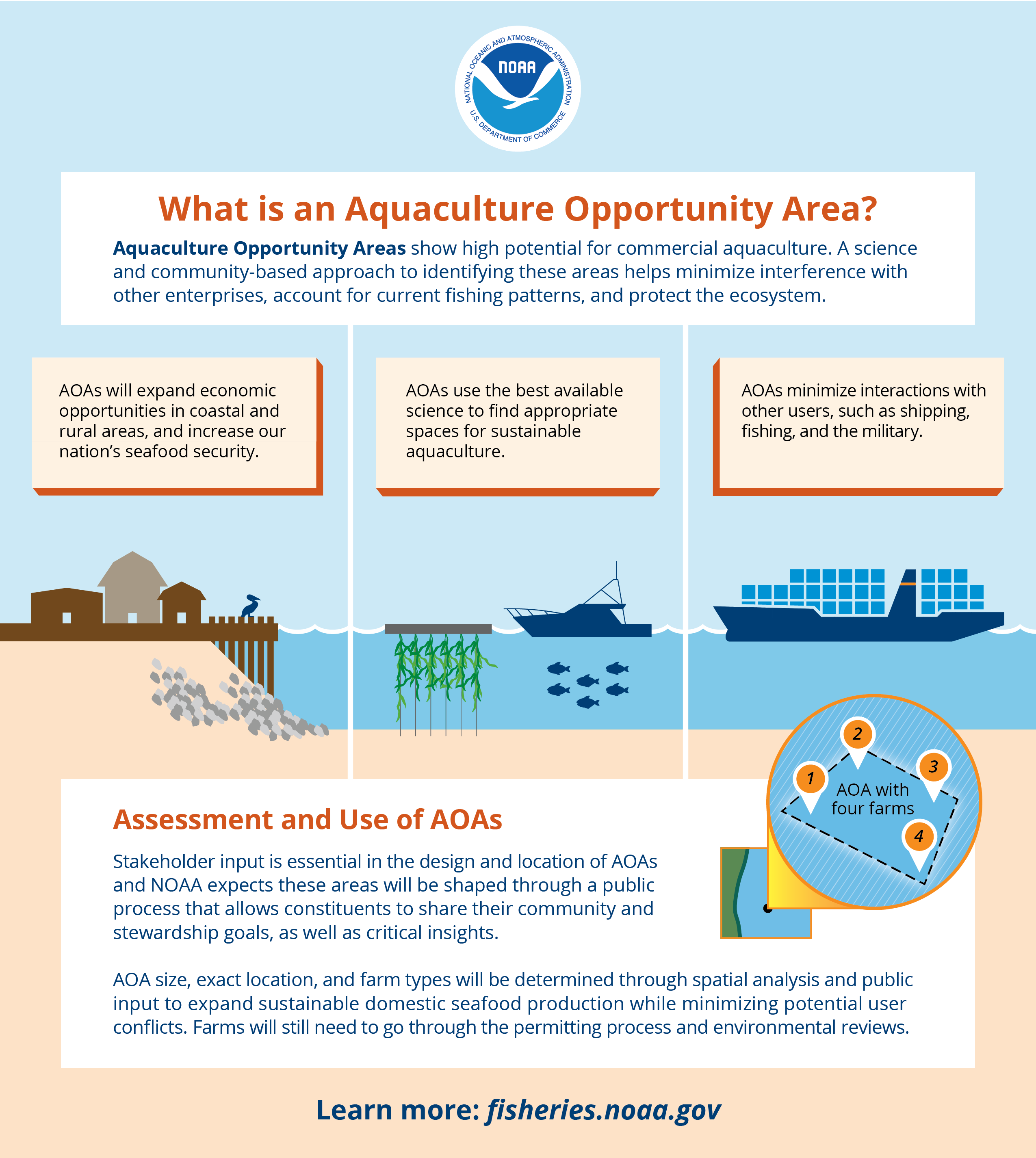
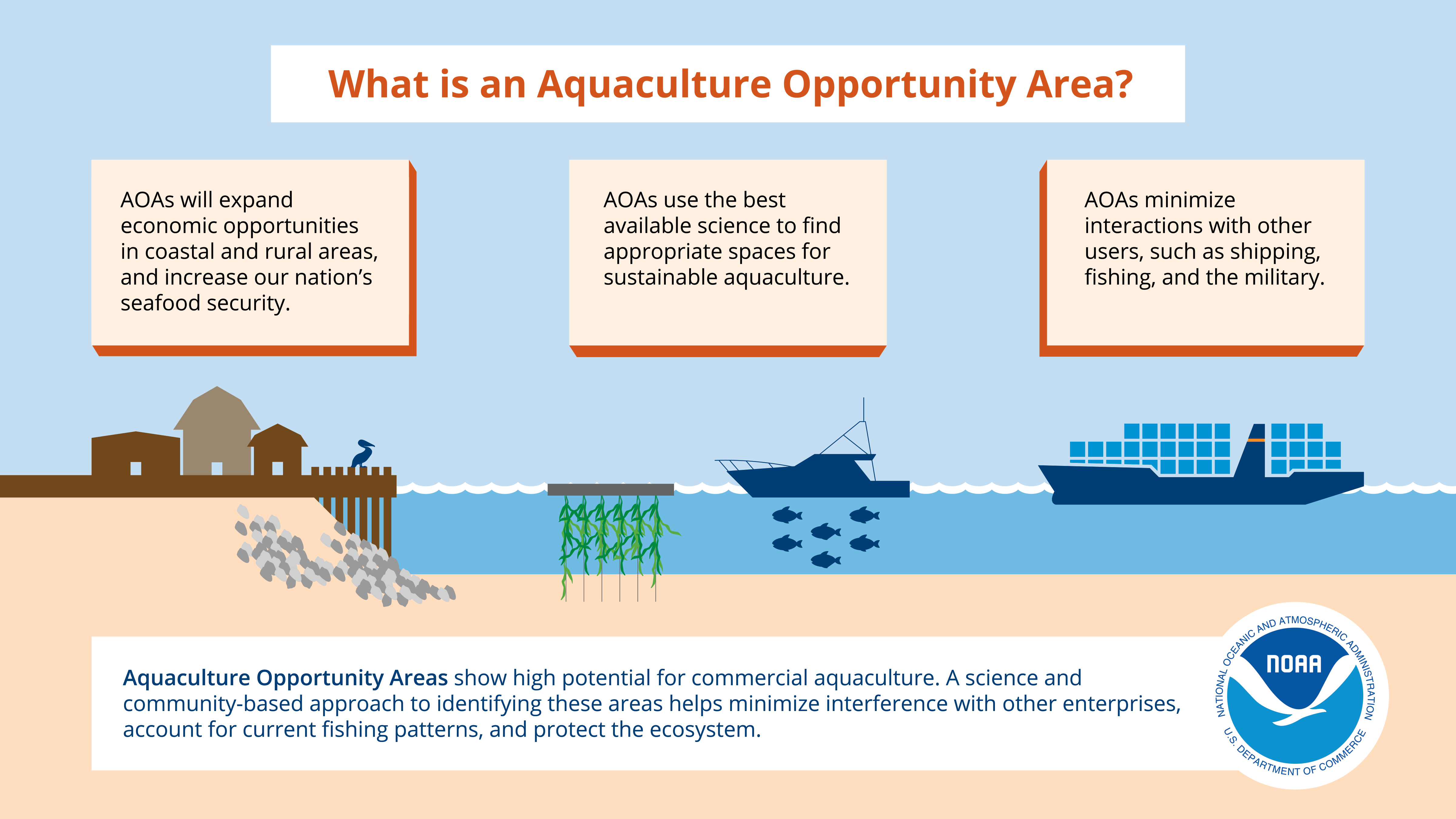
Aquaculture Opportunity Areas are small, well-defined geographic areas that have been evaluated to determine potential suitability for commercial aquaculture. Introduced in 2020, I made the following infographics to illustrate this new concept.

“What is an Aquaculture Opportunity Area?” general infographic.
“What is an Aquaculture Opportunity Area?” presentation slide.
“Assessment of Potential Aquaculture Opportunity Areas” steps infographic.

Ocean Acidification and Aquaculture

It has been a while since I blogged anything (I blame COVID). But, I swear I am going to start adding my infographics from NOAA Fisheries to the site.

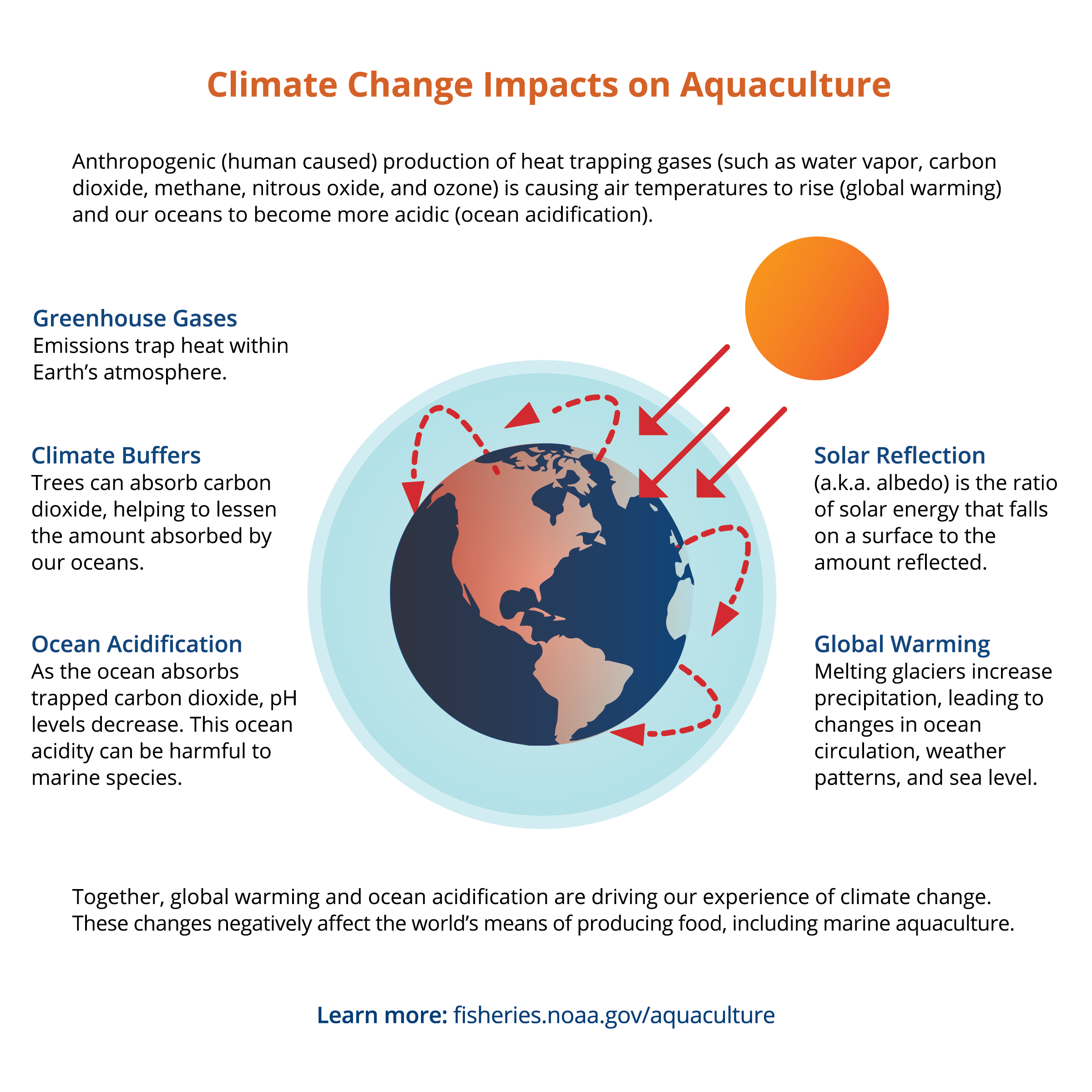
Here is one that I finished recently, ‘Ocean Acidification and Aquaculture.’ It will be used in an upcoming report about the effects of climate change and ocean acidification on marine aquaculture.

“Ocean Acidification and Aquaculture,” a report infographic.

Spanish-English Insect Guide

I am very pleased to share this Spanish-English insect guide that I collaborated on with Crossroads Community Food Network. Based in Takoma Park, Maryland, Crossroads strengthens our local food system by providing resources to those who grow, prepare, and eat fresh produce (i.e. all humans ever).

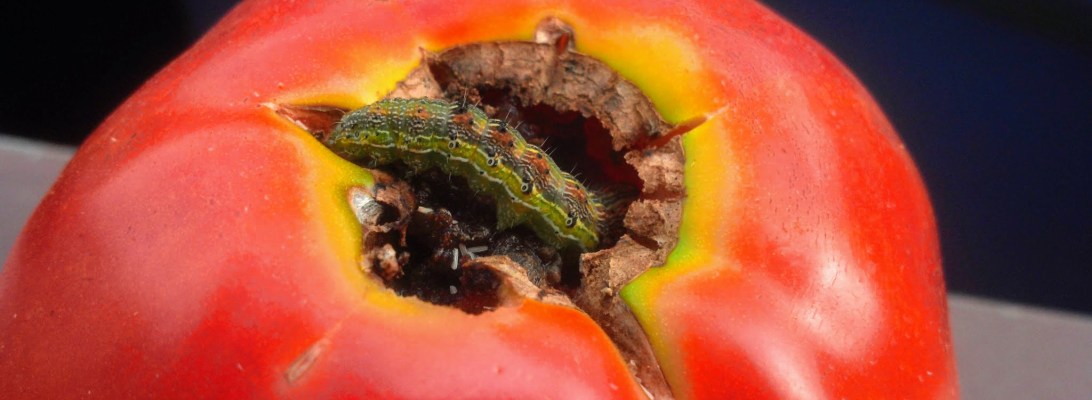
This bilingual guidebook provides important safety information about the management of pest insects, as well as an overview of beneficial insects. My favorite quality of this book is that it will help facilitate effective communication between English- and Spanish-speakers who work in agriculture. I love opening the lines of communication!

It was satisfying to learn in detail about the various pests and beneficial insects as I created the page layouts and illustrations. In the acknowledgments, you will see a gamut of talented people who contributed their agricultural expertise to this book. As an avid gardener, I was grateful for the chance to absorb their knowledge. The final product was printed in a practical fashion with a spiral binding and waterproof cover–it is meant to be out in the field with you!

Designing projects that have a positive social impact is very meaningful to me. I hope that this book will help strengthen working relationships and build inclusivity for farmers all over Maryland.

I want to thank Crossroads for hiring me to help create such a unique and worthwhile book. If you visit their weekly farmer’s market, be sure to pick up a copy.

Flip through the digital copy above, or download a PDF version.